

We are now enrolling patients for research studies. Please click here for more information.

Blog

How High Heels May Cause Damage to Your Feet

Despite the fact that many women enjoy wearing high heels, they may want to be aware of the potential damage wearing these types of shoes may cause. The toes may endure increased pressure, and this may specifically occur under the big toe. If you are susceptible to bunions, this may result in the formation of one, in addition to the development of corns and calluses, which may typically form on the balls of the feet or on top of the toes. Pain affecting the heel of the foot may be related to a condition known as plantar fasciitis. This may occur when the band of tissue on the bottom of the foot that connects the heel to the toes becomes inflamed, and severe pain and discomfort may often accompany this condition. Research has shown that regardless of the ailments that may develop as a result of wearing high heels, a large percentage of women choose to wear this type of shoe.

High heels have a history of causing foot and ankle problems. If you have any concerns about your feet or ankles, contact one of our podiatrists from San Antonio New Step. Our doctors can provide the care you need to keep you pain-free and on your feet.

Effects of High Heels on the Feet

High heels are popular shoes among women because of their many styles and societal appeal.  Despite this, high heels can still cause many health problems if worn too frequently.

Which Parts of My Body Will Be Affected by High Heels?

  • Ankle Joints
  • Achilles Tendon – May shorten and stiffen with prolonged wear
  • Balls of the Feet
  • Knees – Heels cause the knees to bend constantly, creating stress on them
  • Back – They decrease the spine’s ability to absorb shock, which may lead to back pain.  The vertebrae of the lower back may compress.

What Kinds of Foot Problems Can Develop from Wearing High Heels?

  • Corns
  • Calluses
  • Hammertoe
  • Bunions
  • Morton’s Neuroma
  • Plantar Fasciitis

How Can I Still Wear High Heels and Maintain Foot Health?

If you want to wear high heeled shoes, make sure that you are not wearing them every day, as this will help prevent long term physical problems.  Try wearing thicker heels as opposed to stilettos to distribute weight more evenly across the feet.  Always make sure you are wearing the proper shoes for the right occasion, such as sneakers for exercising.  If you walk to work, try carrying your heels with you and changing into them once you arrive at work.  Adding inserts to your heels can help cushion your feet and absorb shock. Full foot inserts or metatarsal pads are available. 

If you have any questions, please feel free to contact one of our offices located in San Antonio, TX . We offer the newest diagnostic and treatment technologies for all your foot care needs.

Read more about Effect of High Heels on the Feet

The Benefits of Shockwave Therapy

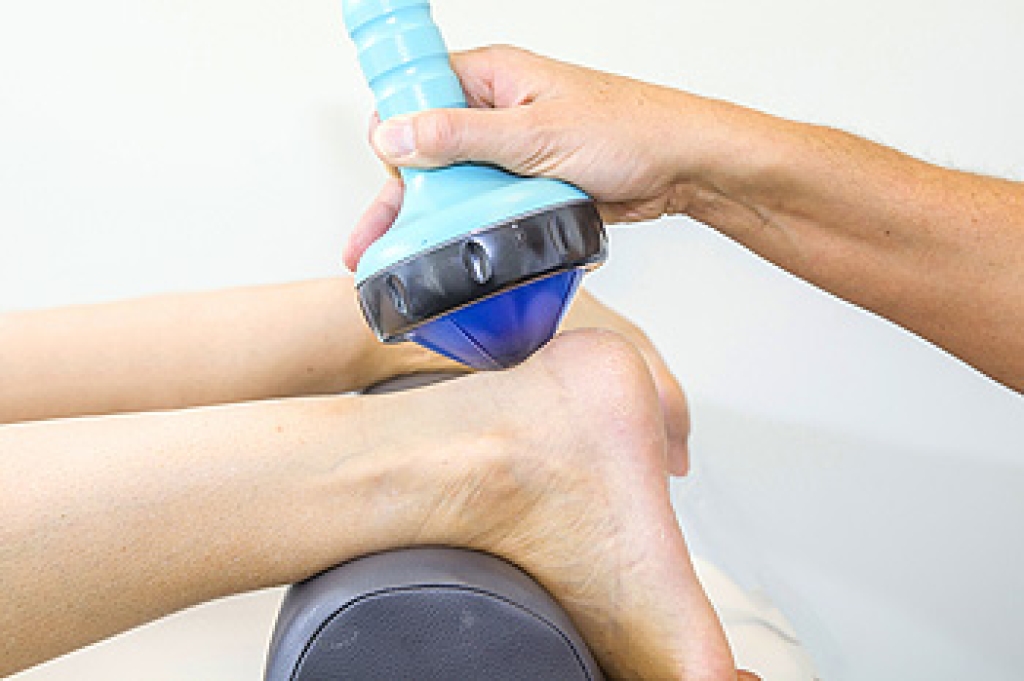
If you have ever experienced the pain of plantar fasciitis, you may want to consider the option of having shockwave therapy performed. This treatment may consist of electromagnetic pulses, which convert to shock waves and this is aimed at the affected tendons. Shock wave treatments that are low-energy is spread out over a series of treatments, and minimal pain is often associated with this form of therapy. If you choose to have a high-energy treatment, it is typically given in one session, and may produce considerable pain. Research has shown these treatments may begin to start a healing response in the body, and this may help in relieving some of the pain associated with plantar fasciitis. If you would like additional information about shockwave therapy, please consult with a podiatrist who can properly help you to decide if this treatment technique is correct for you.

Shockwave therapy is a treatment commonly used to treat various injuries and conditions, particularly plantar fasciitis in the feet. To learn more, consult with one of our podiatrists from San Antonio New Step. Our doctors can provide the care you need to keep you pain-free and on your feet.

Shockwave Therapy

Shockwave therapy is a new treatment option designed to treat bone conditions such as tennis elbow, shoulder pain, and others. Shockwave therapy uses high intensity sound waves that are directed to the affected tissues of the body with pinpoint accuracy. The effects are very beneficial, leading to a production of collagen fibers, eliminating inflammation.

Who Benefits from Shockwave?

Shockwave is recommended for patients suffering from heel pain and associated problems. Heel pain is a common condition which can be caused by obesity, overexertion, and spending a substantial amount of time on hard floors with your feet exposed and unsupported.

Fast and Easy

The therapy is actually a simple process that can leave patients feeling better the very next day. Shockwave therapy is not as dramatic as it sounds. It enables more blood flow to effected areas, addressing the source of the problem and allowing treatment to last for a long time.

Treatment & Recovery Time

Shockwave treatment will enable your feet to recover quickly. This is especially important since surgery is not required. It is cost effective and does not require the use of anesthesia. This treatment is a better option to surgery, since it is proven safe.

If you have any questions, please feel free to contact one of our offices located in San Antonio, TX . We offer the newest diagnostic and treatment technologies for all your foot care needs.
Read more about Treating Heel Pain with Shockwave Therapy

Many Joggers Set A Running Goal

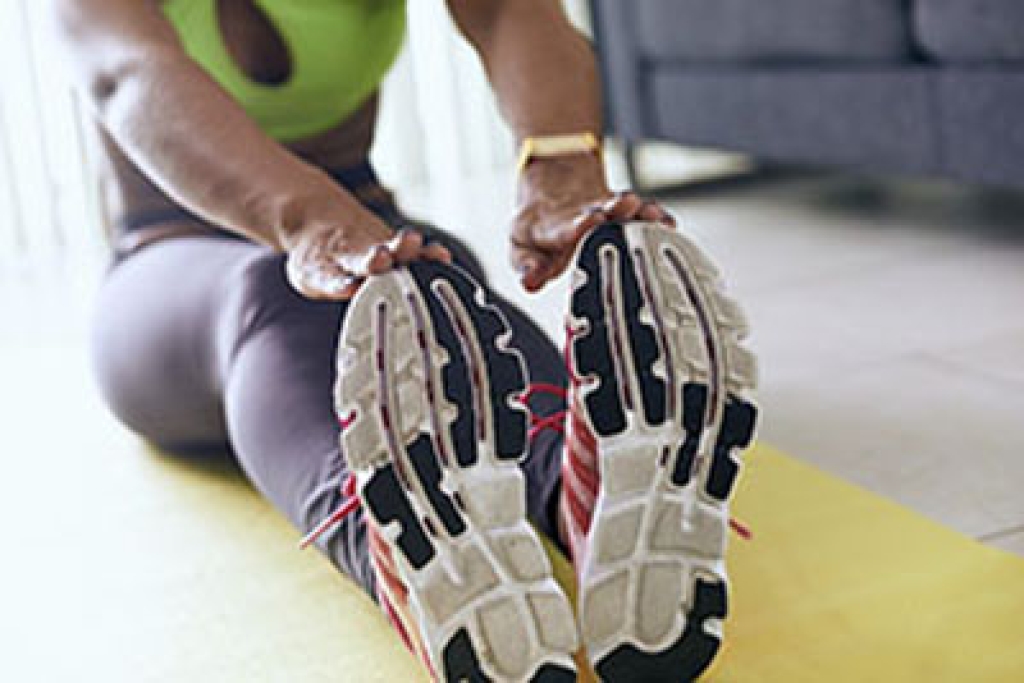
For people who love the sport of running and jogging, it’s beneficial to learn what can be implemented to prevent running injuries. Research has shown the importance of having a physical examination prior to pursuing any running activities. There may be certain medical conditions present that may hinder the enjoyment of this activity, and proper warm-ups should be performed. Additionally, when the correct shoes are worn that fits your foot structure, running and jogging can be enjoyed more thoroughly. Many people find it favorable to identify why they want to run, and this may aid in finding it easier to set a running goal. When proper stretches are performed before and after running, the chances of an injury occurring may be diminished. If you would like to pursue the sport of running, it’s suggested to speak with a podiatrist to learn about correct stretching techniques for the feet.

Exercising your feet regularly with the proper foot wear is a great way to prevent injuries. If you have any concerns about your feet, contact one of our podiatrists of San Antonio New Step. Our doctors will treat your foot and ankle needs.

How to Prevent Running Injuries

Many common running injuries are caused by overuse and overtraining. When the back of the kneecap starts wearing out and starts causing pain in your knee, this is commonly referred to as runner’s knee. Runner’s knee is a decrease in strength in your quadriceps and can occur if you’re not wearing properly fitted or supporting shoes. To prevent runner’s knee, focusing on hip strengthening is a good idea, as well as strengthening your quads to keep the kneecaps aligned.

What Are Some Causes of Running Injuries? 
- One cause of a common running injury is called iliotibial band syndrome.
- Plantar fasciitis is also another common injury.
- Stress fractures can occur from overtraining, lack of calcium, or even your running style.

Best Ways to Prevent Running Injuries
- Wear footwear that fits properly and suits your running needs.
- Running shoes are the only protective gear that runners have to safeguard them from injury.
- Make a training schedule. Adding strengthening exercises as well as regular stretching can help keep you strong and limber and can lessen the possibility of injuries.
- Stretching keeps muscles limber; this will help you gain better flexibility.

If you have any questions, please feel free to contact one of our offices located in San Antonio, TX . We offer the newest diagnostic and treatment technologies for all your foot care needs.

Read more about How to Prevent Running Injuries

Wounds That Don't Heal Need to Be Checked

Your feet are covered most of the day. If you're diabetic, periodic screening is important for good health. Numbness is often a sign of diabetic foot and can mask a sore or wound.

Connect With Us