We are now enrolling patients for research studies. Please click here for more information.

Blog

How Stretching the Feet and Toes Can Benefit the Body

Research has shown there are benefits that may come from stretching the feet, which may affect the general overall health of the body. When proper foot stretches are performed, the muscles, tendons, and ligaments in the feet may become more flexible, which may enable daily activities to become easier to accomplish. The uncomfortable foot condition known as Athlete’s foot may be prevented as a result of stretching the toes, which may promote healthy spacing. Additionally, balance may be improved when the toes have a full range of motion, and specific foot conditions may be prevented from developing. It may benefit the feet to wear shoes that have adequate room for the toes to move about, in addition to learning how to perform simple toe stretches. It you would like additional information about the benefits of stretching the feet and toes, please consult with a podiatrist.

Stretching the feet is a great way to prevent injuries. If you have any concerns with your feet consult with one of our podiatrists from San Antonio New Step. Our doctors will assess your condition and provide you with quality foot and ankle treatment.

Stretching the Feet

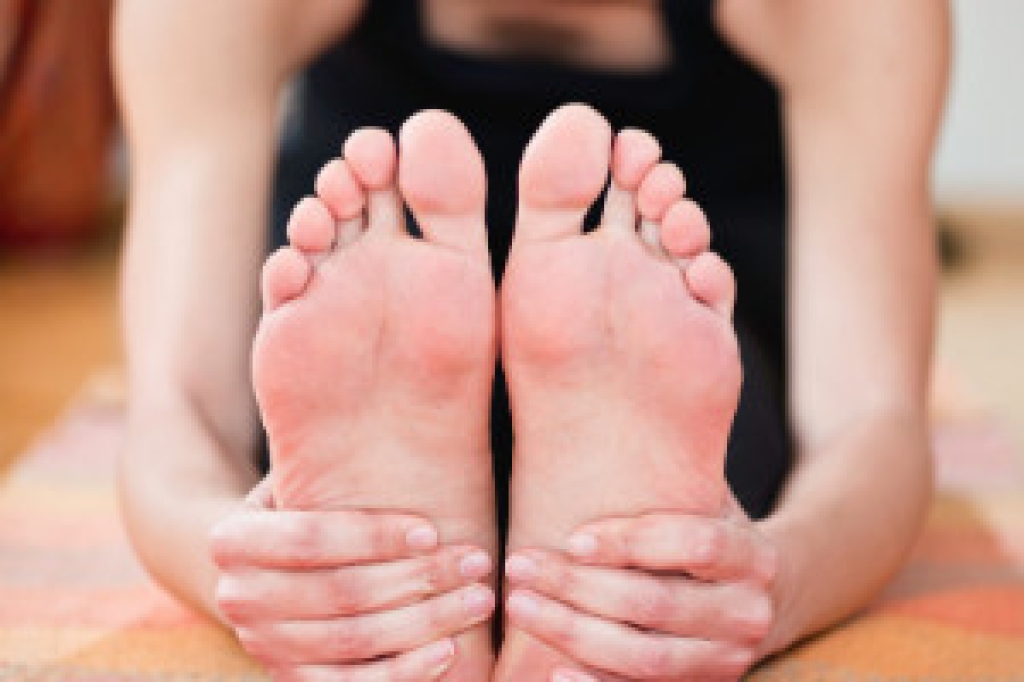
Stretching the muscles in the foot is an important part in any physical activity. Feet that are tight can lead to less flexibility and make you more prone to injury. One of the most common forms of foot pain, plantar fasciitis, can be stretched out to help ease the pain. Stretching can not only ease pain from plantar fasciitis but also prevent it as well. However, it is important to see a podiatrist first if stretching is right for you. Podiatrists can also recommend other ways to stretch your feet. Once you know whether stretching is right for you, here are some excellent stretches you can do.

  • Using a foam roller or any cylindrical object (a water bottle or soda can will do), roll the object under your foot back and forth. You should also exert pressure on the object. Be sure to do this to both feet for a minute. Do this exercise three times each.
  • Similar to the previous one, take a ball, such as a tennis ball, and roll it under your foot while seated and exert pressure on it.
  • Grab a resistance band or towel and take a seat. If you are using a towel, fold it length wise. Next put either one between the ball of your foot and heel and pull with both hands on each side towards you. Hold this for 15 seconds and then switch feet. Do this three times for each foot.
  • Finally hold your big toe while crossing one leg over the other. Pull the toe towards you and hold for 15 seconds. Once again do this three times per foot.

It is best to go easy when first stretching your foot and work your way up. If your foot starts hurting, stop exercising and ice and rest the foot. It is advised to then see a podiatrist for help.

If you have any questions please contact one of our offices located in San Antonio, TX . We offer the newest diagnostic and treatment technologies for all your foot and ankle needs.

Read more about How to Stretch Your Feet

Why Live with Pain and Numbness in Your Feet?

Suffering from this type of pain? You may have the foot condition known as Morton's neuroma. Morton's neuroma may develop as a result of ill-fitting footwear and existing foot deformities. We can help.

Athlete's Foot Affects Different Types of People

The medical condition that is referred to as athlete’s foot will typically affect many different types of people regardless if they are athletes. The tinea fungus is responsible for this uncomfortable ailment and will survive in moist and warm areas. It is known to be extremely contagious, and it often lives in public pools, showers, and surrounding areas. The noticeable symptoms may include cracked and peeling skin between the toes, dry or raw skin on your feet, or an itchy sensation that may affect the entire foot. There may be pre-existing medical conditions that may include diabetes or a weakened immune system, which can contribute to the onset of athlete’s foot. If you feel you may have developed this ailment, it is suggested to seek the counsel of a podiatrist who can perform a proper diagnosis and correct treatment.

Athlete’s Foot

Athlete’s foot is often an uncomfortable condition to experience. Thankfully, podiatrists specialize in treating athlete’s foot and offer the best treatment options. If you have any questions about athlete’s foot, consult with one of our podiatrists from San Antonio New Step. Our doctors will assess your condition and provide you with quality treatment.

What Is Athlete’s Foot?

Tinea pedis, more commonly known as athlete’s foot, is a non-serious and common fungal infection of the foot. Athlete’s foot is contagious and can be contracted by touching someone who has it or infected surfaces. The most common places contaminated by it are public showers, locker rooms, and swimming pools. Once contracted, it grows on feet that are left inside moist, dark, and warm shoes and socks.

Prevention

The most effective ways to prevent athlete’s foot include:

  • Thoroughly washing and drying feet
  • Avoid going barefoot in locker rooms and public showers
  • Using shower shoes in public showers
  • Wearing socks that allow the feet to breathe
  • Changing socks and shoes frequently if you sweat a lot

Symptoms

Athlete’s foot initially occurs as a rash between the toes. However, if left undiagnosed, it can spread to the sides and bottom of the feet, toenails, and if touched by hand, the hands themselves. Symptoms include:

  • Redness
  • Burning
  • Itching
  • Scaly and peeling skin

Diagnosis and Treatment

Diagnosis is quick and easy. Skin samples will be taken and either viewed under a microscope or sent to a lab for testing. Sometimes, a podiatrist can diagnose it based on simply looking at it. Once confirmed, treatment options include oral and topical antifungal medications.

If you have any questions, please feel free to contact one of our offices located in San Antonio, TX . We offer the newest diagnostic and treatment technologies for all your foot care needs.

Read more about How to Deal with Athlete's Foot

Different Types of Blisters on the Feet

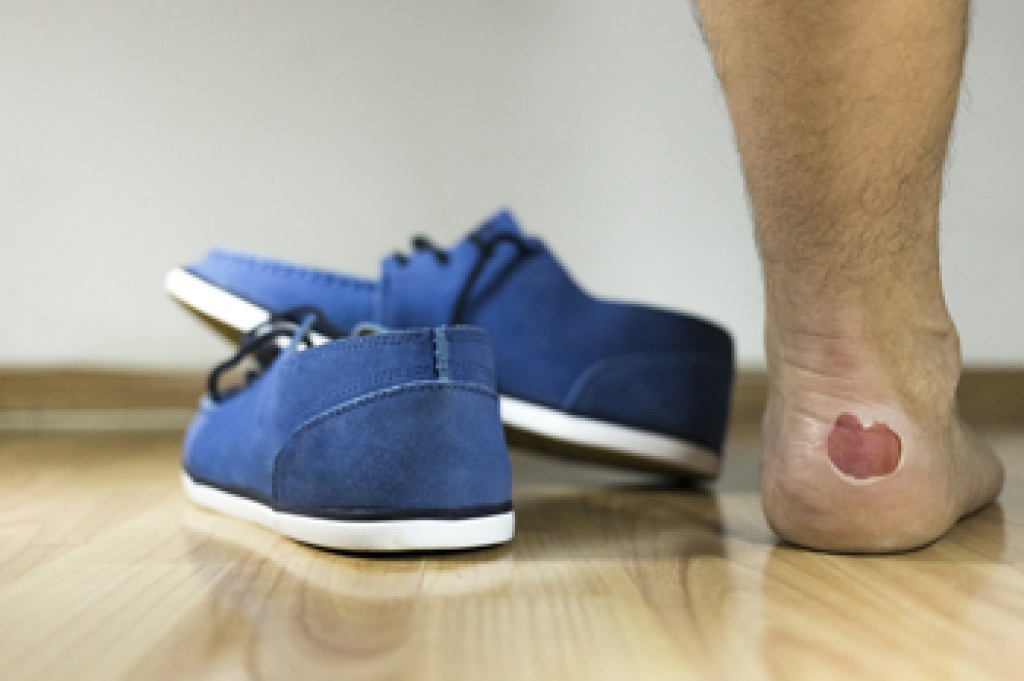
A common reason why blisters form on the feet may be a result of consistent friction between the toes or on the back of the heel. A blister is typically a small area that resembles a bubble and is filled with fluid. This is the body’s natural defense mechanism to ensure the skin under the blister is protected. Research has shown there are different types of blisters that may form, including pinch blisters, which may be a result of a toe that is curled under the toe next to it, causing a blister to form in between the two toes. Additionally, interdigital blisters may be caused by an allergic reaction to an insect bite, and may lead to an infection. Patients who have eczema or athlete's foot may be familiar with the types of blisters these uncomfortable conditions may cause. If shoes that are worn do not fit correctly, blisters may form on the pinky toe or if excess rubbing exists on the back of the foot, it may cause unsightly blisters on the back of the heel. If you would like to learn about how to prevent blisters on the feet or need information about proper treatment techniques, it’s suggested to speak with a podiatrist.

Blisters may appear as a single bubble or in a cluster. They can cause a lot of pain and may be filled with pus, blood, or watery serum. If your feet are hurting, contact one of our podiatrists of San Antonio New Step. Our doctors can provide the care you need to keep you pain-free and on your feet.

Foot Blisters

Foot blisters are often the result of friction. This happens due to the constant rubbing from shoes, which can lead to pain.

What Are Foot Blisters?

A foot blister is a small fluid-filled pocket that forms on the upper-most layer of the skin. Blisters are filled with clear fluid and can lead to blood drainage or pus if the area becomes infected.

Symptoms

(Blister symptoms may vary depending on what is causing them)

  • Bubble of skin filled with fluid
  • Redness
  • Moderate to severe pain
  • Itching

Prevention & Treatment

In order to prevent blisters, you should be sure to wear comfortable shoes with socks that cushion your feet and absorb sweat. Breaking a blister open may increase your chances of developing an infection. However, if your blister breaks, you should wash the area with soap and water immediately and then apply a bandage to the affected area. If your blisters cause severe pain it is important that you call your podiatrist right away.

If you have any questions, please feel free to contact one of our offices located in San Antonio, TX . We offer the newest diagnostic and treatment technologies for all your foot care needs.

Read more about Blisters

Do Your Child's Feet Hurt?

Have your child's feet been examined lately? Healthy feet are happy feet. If your child is complaining of foot pain, it may be a sign of underlying problems.

Connect With Us