
We are now enrolling patients for research studies. Please click here for more information.

Blog

How Do Broken Toes Occur?

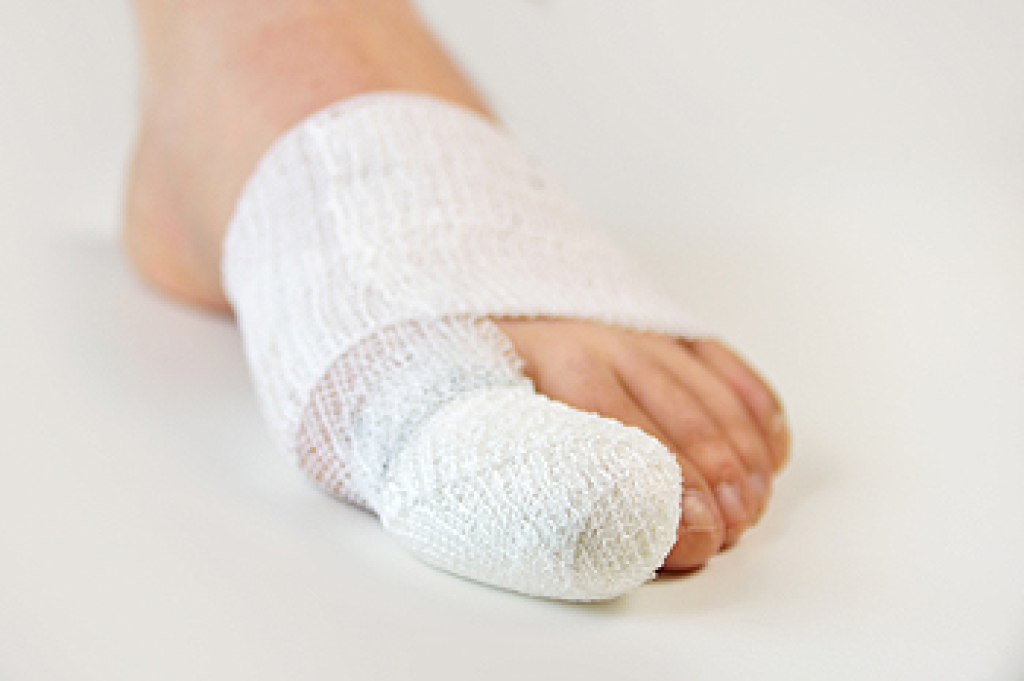
A broken toe can be the result of a heavy object falling on it, or jamming it against a piece of furniture. Common symptoms that are typically associated with this ailment can consist of severe pain and discomfort, extreme bruising, and difficulty walking. A diagnosis is typically performed by having an X-ray taken. This is an effective method in locating the exact area of the toe where the fracture has occurred. Once this has been determined, the correct treatment can begin. Many patients find it beneficial to tape the affected toe to the toe next to it. This is known as the buddy taping method. Additionally, for severe fractures, it may help to wear a boot that can offer adequate support as the toe begins to heal. If you have broken your toe, it is advised that you seek the counsel of a podiatrist who can help you to choose the best treatment option.

A broken toe can be very painful and lead to complications if not properly fixed. If you have any concerns about your feet, contact one of our podiatrists from San Antonio New Step. Our doctors will treat your foot and ankle needs.

What to Know About a Broken Toe

Although most people try to avoid foot trauma such as banging, stubbing, or dropping heavy objects on their feet, the unfortunate fact is that it is a common occurrence. Given the fact that toes are positioned in front of the feet, they typically sustain the brunt of such trauma. When trauma occurs to a toe, the result can be a painful break (fracture).

Symptoms of a Broken Toe

  • Throbbing pain
  • Swelling
  • Bruising on the skin and toenail
  • The inability to move the toe
  • Toe appears crooked or disfigured
  • Tingling or numbness in the toe

Generally, it is best to stay off of the injured toe with the affected foot elevated.

Severe toe fractures may be treated with a splint, cast, and in some cases, minor surgery. Due to its position and the pressure it endures with daily activity, future complications can occur if the big toe is not properly treated.

If you have any questions, please feel free to contact one of our offices located in San Antonio, TX . We offer the newest diagnostic and treatment technologies for all your foot care needs.


Read more about What to Know About a Broken Toe

What is the Plantar Fascia?

The medical condition that is known as plantar fasciitis is generally accompanied by severe pain and discomfort in the heel. It is an inflammation of the plantar fascia, and if this condition becomes severe, it may become difficult to walk. This band of tissue is located on the bottom of the foot, and its function is to connect the heel to the toes. Additionally, a healthy plantar fascia may prevent the formation of flat feet, as well as provide stability as the patient walks and runs. Inflammation of this portion of tissue can be caused by being overweight, or from wearing shoes that do not fit correctly. Effective treatment methods may consist of taping or massaging the foot. In severe cases, surgery may be necessary to help diminish the pain from plantar fasciitis. If you are suffering from this ailment, it is strongly advised that you consult with a podiatrist who can determine the best treatment option for you.

Plantar fasciitis is a common foot condition that is often caused by a strain injury. If you are experiencing heel pain or symptoms of plantar fasciitis, contact one of our podiatrists from San Antonio New Step. Our doctors can provide the care you need to keep you pain-free and on your feet.

What Is Plantar Fasciitis?

Plantar fasciitis is one of the most common causes of heel pain. The plantar fascia is a ligament that connects your heel to the front of your foot. When this ligament becomes inflamed, plantar fasciitis is the result. If you have plantar fasciitis you will have a stabbing pain that usually occurs with your first steps in the morning. As the day progresses and you walk around more, this pain will start to disappear, but it will return after long periods of standing or sitting.

What Causes Plantar Fasciitis?

  • Excessive running
  • Having high arches in your feet
  • Other foot issues such as flat feet
  • Pregnancy (due to the sudden weight gain)
  • Being on your feet very often

There are some risk factors that may make you more likely to develop plantar fasciitis compared to others. The condition most commonly affects adults between the ages of 40 and 60. It also tends to affect people who are obese because the extra pounds result in extra stress being placed on the plantar fascia.

Prevention

  • Take good care of your feet – Wear shoes that have good arch support and heel cushioning.
  • Maintain a healthy weight
  • If you are a runner, alternate running with other sports that won’t cause heel pain

There are a variety of treatment options available for plantar fasciitis along with the pain that accompanies it. Additionally, physical therapy is a very important component in the treatment process. It is important that you meet with your podiatrist to determine which treatment option is best for you.

If you have any questions, please feel free to contact one of our offices located in San Antonio, TX . We offer the newest diagnostic and treatment technologies for all your foot care needs.
 

Read more about Plantar Fasciitis

Why Live with Pain and Numbness in Your Feet?

Suffering from this type of pain? You may have the foot condition known as Morton's neuroma. Morton's neuroma may develop as a result of ill-fitting footwear and existing foot deformities. We can help.

What Causes Cracked Heels?

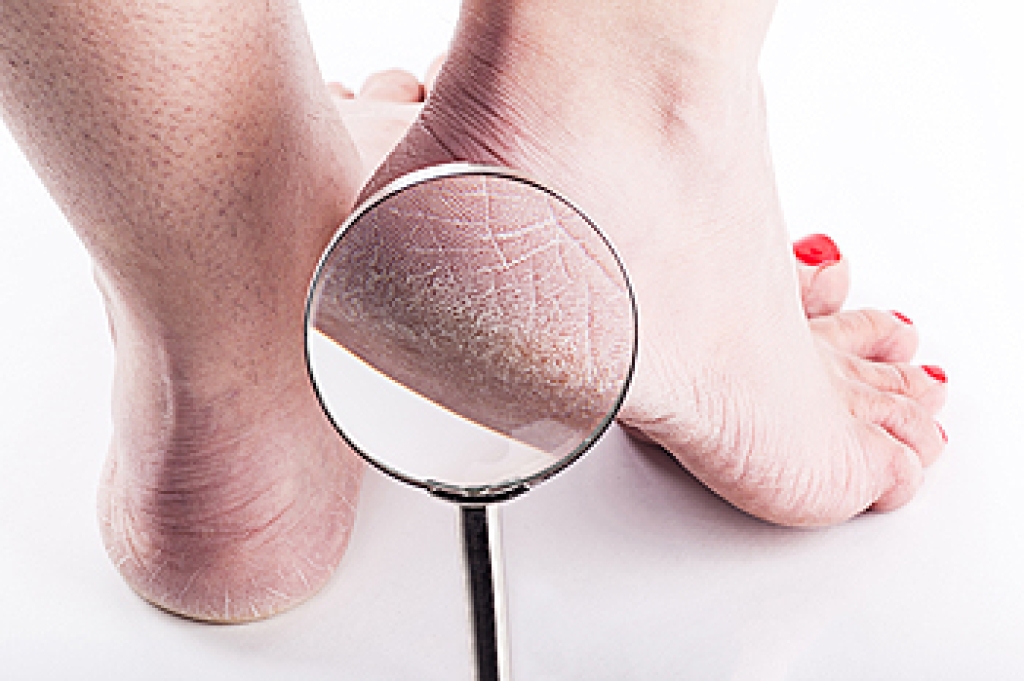
The uncomfortable condition that is known as cracked heels comes from excessively dry skin. It typically affects the outer edges of the heel, and can cause deep cracks to form. These cracks in the skin are known as fissures, and may cause severe pain and discomfort. There are common reasons why this condition may occur. These can include standing for an extended period of time throughout the day, as well as wearing shoes that have an open back. Additionally, existing medical conditions such as eczema or psoriasis may lead to the development of cracked heels. Treatment can begin with washing and drying the feet thoroughly, followed by using a good moisturizer several times per day. It may help to wear shoes that have significant cushioning in the heel area. If you are afflicted with cracked heels, it is suggested that you speak with a podiatrist who can help you to find relief.

Cracked heels are unsightly and can cause further damage to your shoes and feet. If you have any concerns, contact one of our podiatrists from San Antonio New Step. Our doctors can provide the care you need to keep you pain-free and on your feet.

Cracked Heels

Cracked heels appear unappealing and can make it harder for you walk around in sandals. Aside from looking unpleasant, cracked heels can also tear stockings, socks, and wear out your shoes. There are several methods to help restore a cracked heel and prevent further damage.

How Do You Get Them?

Dry skin is the number one culprit in creating cracked heels. Many athletes, walkers, joggers, and even swimmers suffer from cracked heels. Age and skin oil production play a role to getting cracked heels as well.

Promote Healing

Over the counter medicines can help, especially for those that need instant relief or who suffer from chronic dry feet.

Wear Socks – Wearing socks with medicated creams helps lock in moisture.

Moisturizers – Applying both day and night will help alleviate dryness which causes cracking.

Pumice Stones – These exfoliate and remove dead skin, which allows for smoother moisturizer application and better absorption into the skin. 

Change in Diet

Eating healthy with a well-balanced diet will give the skin a fresh and radiant look. Your body responds to the kinds of food you ingest. Omega-3 fatty acids and zinc supplements can also revitalize skin tissue.

Most importantly, seek professional help if unsure how to proceed in treating cracked heels. A podiatrist will help you with any questions or information needed. 

If you have any questions, please feel free to contact one of our offices located in San Antonio, TX . We offer the newest diagnostic and treatment technologies for all your foot care needs.
Read more about Solutions for Cracked Heels

Can Orthotics Help Bunions?

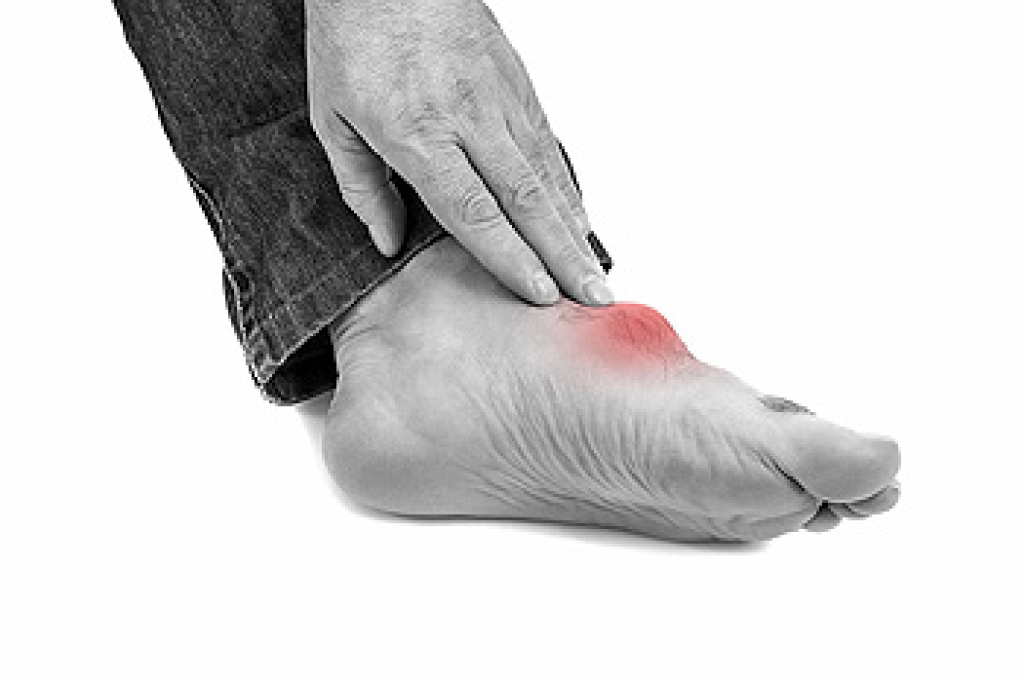
A bunion is the name that is given for the large bony protrusion that develops on the side and bottom of the big toe. It can develop for a variety of reasons, some of which can include genetic factors, foot injuries, and ill-fitting footwear. The bump that forms may appear red from friction that is caused by shoes, and calluses and corns may also develop on the affected area. Patients who have severe bunions may experience pain and discomfort, and have difficulty walking. People who realize they have a bunion may find mild relief in wearing shoes that have ample room for the toes to move freely in. If you are afflicted with a bunion, it is strongly advised that you speak with a podiatrist who can prescribe orthotics which may help you to find comfort.

If you are suffering from bunions, contact one of our podiatrists of San Antonio New Step. Our doctors can provide the care you need to keep you pain-free and on your feet.

What Is a Bunion?

A bunion is formed of swollen tissue or an enlargement of boney growth, usually located at the base joint of the toe that connects to the foot. The swelling occurs due to the bones in the big toe shifting inward, which impacts the other toes of the foot. This causes the area around the base of the big toe to become inflamed and painful.

Why Do Bunions Form?

Genetics – Susceptibility to bunions are often hereditary

Stress on the feet – Poorly fitted and uncomfortable footwear that places stress on feet, such as heels, can worsen existing bunions

How Are Bunions Diagnosed?

Podiatrists often perform two tests – blood tests and x-rays – when trying to diagnose bunions, especially in the early stages of development. Blood tests help determine if the foot pain is being caused by something else, such as arthritis, while x-rays provide a clear picture of your bone structure to your provider.

How Are Bunions Treated?

  • Refrain from wearing heels or similar shoes that cause discomfort
  • Select wider shoes that can provide more comfort and reduce pain
  • Anti-inflammatory and pain management drugs
  • Orthotics or foot inserts
  • Surgery

If you have any questions, please feel free to contact one of our offices located in San Antonio, TX . We offer the newest diagnostic and treatment technologies for all your foot care needs.

Read more about Bunions
Connect With Us